

Frigorifero a cortina d'aria

-
Frigorifero da cucina

-
Congelatore a pozzetto
-
Congelatore da esposizione
-
Frigorifero a cortina d'aria
-
Ordina il refrigeratore con display
-
Vetrina per catering
-
Chiller multipiano con porta in vetro
-
Vetrine refrigerate ad isola
-
Vetrina per gelato
-
Vetrina refrigerata dalla forma speciale
-
Macchina per il ghiaccio
Garantire alta qualità
Con la nostra esperienza
Produttori di frigoriferi a tenda d’aria per supermercati
-
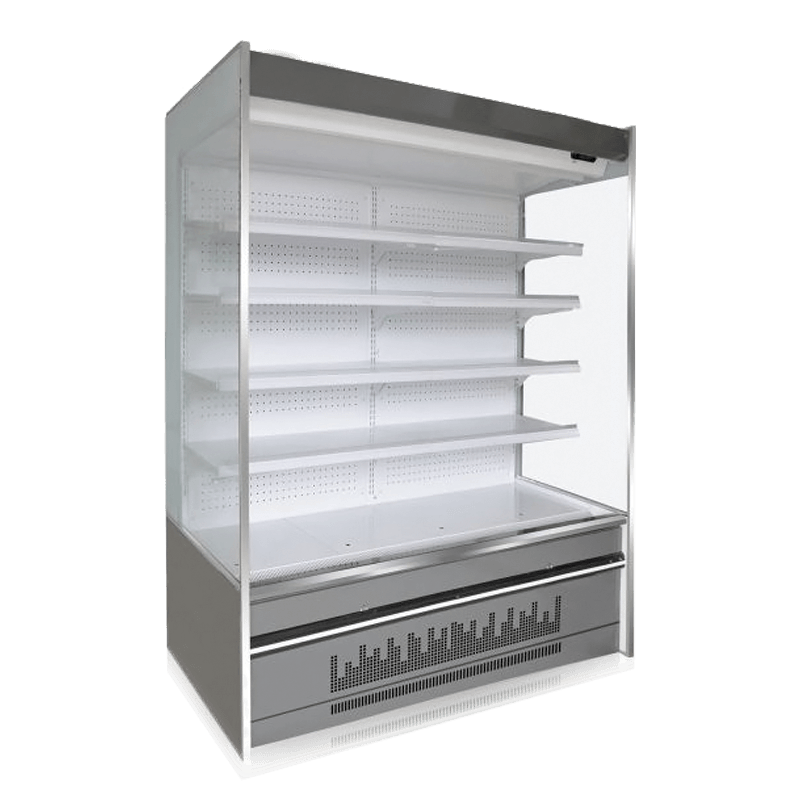
Merchandiser a cortina d'aria del supermercato (tutto in uno) ad angolo retto
-
Frigorifero a cortina d'aria del supermercato (split) ad angolo retto
I frigoriferi a cortina d'aria sono comuni espositori refrigerati commerciali, ampiamente utilizzati nei supermercati, nei minimarket e nei luoghi di ristorazione, per l'esposizione di bevande, latticini, cibi cotti e altri prodotti che devono essere conservati a basse temperature. La sua caratteristica principale è che una "cortina d'aria" per l'aria fredda è formata da un ventilatore incorporato, che isola efficacemente l'ingresso di aria calda dall'esterno all'apertura dell'armadio, mantenendo così una temperatura stabile nell'armadio e ottenendo effetti di risparmio energetico e conservazione. Rispetto ai tradizionali frigoriferi con porte in vetro, gli armadi a barriera d'aria non richiedono operazioni di apertura e chiusura delle porte, il che rende conveniente per i clienti prendere e riporre la merce in qualsiasi momento, migliorando l'esperienza di acquisto.
I moderni frigoriferi a cortina d'aria si concentrano sul risparmio energetico, sulla protezione dell'ambiente e sul design multifunzionale, solitamente utilizzando compressori ad alta efficienza e refrigeranti ecologici per ridurre il consumo di energia e ridurre l'impatto sull'ambiente. Allo stesso tempo, molti armadi a barriera d'aria sono dotati anche di ripiani regolabili, illuminazione a LED e sistemi di controllo intelligente della temperatura, che non solo possono soddisfare le esigenze di esposizione di diversi prodotti, ma anche attirare l'attenzione di più clienti ottimizzando l'effetto di visualizzazione. Alcuni modelli di fascia alta dispongono anche di funzioni di monitoraggio remoto e di allarme guasti, che sono convenienti da gestire e mantenere per i commercianti. È una soluzione espositiva refrigerata ideale che unisce praticità ed estetica in scenari commerciali.

-
0 +Anno di fondazione
-
0 ㎡Area dello stabilimento
-
0 +Numero di dipendenti
-
0 +Produzione mensile di container






-
2026-03-05Per la maggior parte delle famiglie, acquistare un congelatore a pozzetto ha più senso finanziario che affittarne uno — a meno che tu non ne abbia bisogno per un singolo evento o per un perio...
-
2026-02-28Una guarnizione difettosa del congelatore a pozzetto è spesso la causa dello spreco energetico Se il congelatore a pozzetto funziona più a lungo del solito, forma accumuli di brina o risulta caldo attorno ai ...
-
2026-02-06La regola più semplice per a congelaare a pozzetto confronto delle dimensioni: scegli la capacità in base alla quantità di spazio di archiviazione, quindi conferma che l'ingombro si adatta al tuo sp...
Benefits of Open Air Refrigerators in Retail
Open air refrigerators, commonly used in supermarkets and grocery stores, offer a range of benefits for retailers, as well as for shoppers. Below are some key advantages:
1. Enhanced Product Visibility
Increased Impulse Purchases: Open air refrigerators allow customers to see products clearly, which can trigger impulse buying. The visual appeal of items displayed without doors makes them more accessible and tempting.
Better Merchandising: Retailers can arrange products in an attractive and strategic way, making it easier for customers to locate and choose items. The open design supports creative product displays.
2. Improved Accessibility and Convenience
No Door to Open: Shoppers can easily grab what they need without the hassle of opening doors. This feature is especially important in high-traffic areas where time and convenience are crucial for customers.
Increased Flow of Shoppers: Since customers don’t need to wait for someone to open the fridge door, it can reduce congestion in store aisles and improve the overall shopping experience.
3. Temperature Control and Efficiency
Consistent Temperature: Despite the lack of doors, modern open air refrigerators are designed with air curtains that help maintain consistent temperatures. They utilize a constant flow of air to minimize temperature fluctuation and ensure the products remain fresh.
Quick Access to Chilled Products: Since there are no doors to open or close, the product temperature doesn’t fluctuate as much as in traditional fridges, ensuring products stay at the optimal chill.
4. Energy Efficiency and Cost Savings
Improved Insulation and Design: Newer open air refrigerators are built with energy-efficient components like LED lighting and optimized cooling systems. They’re often more energy-efficient than older models.
Smarter Energy Use: Technologies such as variable speed fans and advanced air curtains help reduce the overall energy consumption of open air refrigerators by optimizing airflow and cooling without wasting energy.
5. Better Customer Experience
Modern and Stylish: The sleek, open look appeals to modern shoppers who prefer a more interactive and open shopping environment.
Transparency: Customers appreciate being able to easily access all available products without the inconvenience of opening doors, allowing them to check expiration dates and freshness without a hassle.
6. Space-Saving and Flexibility
Optimized Layout: Open air refrigerators take up less space compared to traditional refrigerators with doors, offering more flexibility in store layouts. This can help create a more open, spacious shopping environment.
Adaptability: These refrigerators can be placed in various areas of the store, including aisle ends and high-traffic zones, providing greater visibility and accessibility.
7. Aesthetic Appeal
Sleek Display: Open air units allow customers to easily view products from all sides, creating an appealing, clean, and modern look. This aesthetic advantage can be a selling point in premium grocery stores or high-end supermarkets.
Reducing Energy Loss with Air Curtains
Air curtain technology is a key feature that makes open air refrigerators energy-efficient by minimizing energy loss. This innovative system uses an invisible barrier of air to prevent warm air from entering the refrigerated space. Here’s how air curtains help reduce energy loss and maintain optimal conditions:
1. Prevention of Warm Air Infiltration
Barrier for Temperature Stability: Air curtains create a shield of air across the open area of refrigerators. This shield prevents warm air from entering the refrigerated space and cold air from escaping. As a result, the internal temperature remains stable, and energy is not wasted in cooling the warm air.
Maintaining a Consistent Cool Environment: By reducing the amount of warm air entering the fridge, air curtains help maintain the ideal temperature, ensuring products are kept at optimal freshness without overworking the refrigeration system.
2. Energy Savings and Reduced Operating Costs
Lower Energy Consumption: By significantly reducing the intrusion of warm air, air curtains help the refrigerator’s cooling system function more efficiently. This means the compressor doesn’t need to work as hard to cool the space, resulting in reduced energy consumption.
Cost-Effective Operation: Reduced energy consumption leads to lower utility bills. Over time, this can result in substantial cost savings for retailers, especially those running large-scale refrigeration units.
3. Minimizing Frost and Ice Build-Up
Reducing Frost Accumulation: The air curtain helps reduce the likelihood of frost and ice buildup on the fridge’s evaporator coils. This minimizes the need for defrost cycles, which can be energy-intensive.
Improved Efficiency: By preventing frost, the refrigerator maintains its efficiency. Frost buildup forces the refrigeration unit to work harder, increasing energy consumption and decreasing operational efficiency.
4. Support for Open-Air Display Without Compromising Efficiency
No Need for Doors: Traditional refrigerated units with glass doors tend to require more energy to maintain a stable temperature because they rely on door sealing to prevent air exchange. Air curtains eliminate the need for doors, allowing for open display while keeping the refrigeration system efficient.
Enhanced Product Accessibility: The absence of doors provides customers with direct access to the products without causing excessive temperature fluctuations, further contributing to energy efficiency.
5. Reducing Environmental Impact
Lower Carbon Footprint: With air curtains minimizing energy consumption, these systems contribute to reducing the carbon footprint of supermarkets and retail stores. Less energy use means fewer greenhouse gas emissions, helping businesses to meet sustainability goals.
Eco-Friendly Refrigeration: As energy efficiency improves, the overall environmental impact is reduced, making air curtain refrigerators a more eco-conscious choice for retailers.
6. Minimizing Heat Gain from Store Environments
Barrier Against External Heat: In busy retail environments, especially those with high foot traffic, heat from customers, lighting, and nearby equipment can infiltrate open-air refrigerators. Air curtains act as a protective barrier that minimizes heat transfer, further reducing energy loss.
Improved Air Quality Control: Air curtains also act as an invisible shield that helps control the flow of external air into the refrigerated section, which is crucial for maintaining both temperature stability and air quality.
7. Greater Durability and Reliability
Longer Equipment Lifespan: By reducing the workload of refrigeration units and minimizing the wear and tear on compressors, air curtains can help extend the lifespan of refrigeration equipment.
Less Need for Maintenance: Air curtains reduce the chances of ice buildup and temperature fluctuations that could strain the system, thus requiring less frequent maintenance and repairs
 CONTATTACI
- DETTAGLI DI CONTATTO
- Address : N. 3426 Xiaoqing Avenue, Hangzhou, Zhejiang, Cina
- WhatsApp : 0086-18667022582
- Tel: 0086-18667022582
- Email: leo@hzfreezer.com
- PRODOTTI
- Frigorifero da cucina
- Congelatore a pozzetto
- Congelatore da esposizione
- Frigorifero a cortina d'aria
- Ordina il refrigeratore con display
- Vetrina per catering
- Chiller multipiano con porta in vetro
- Vetrine refrigerate ad isola
- Vetrina per gelato
- Vetrina refrigerata dalla forma speciale
- Macchina per il ghiaccio
- LINK RAPIDI
- Profilo aziendale
- Attrezzature dello stabilimento
- FAQ
- CENTRO NOTIZIE
- Notizie aziendali
- Notizie del settore
- TERMINALE MOBILE

